
How to evaluate teams, staff and programs before you spend a single euro on a race weekend for your child.
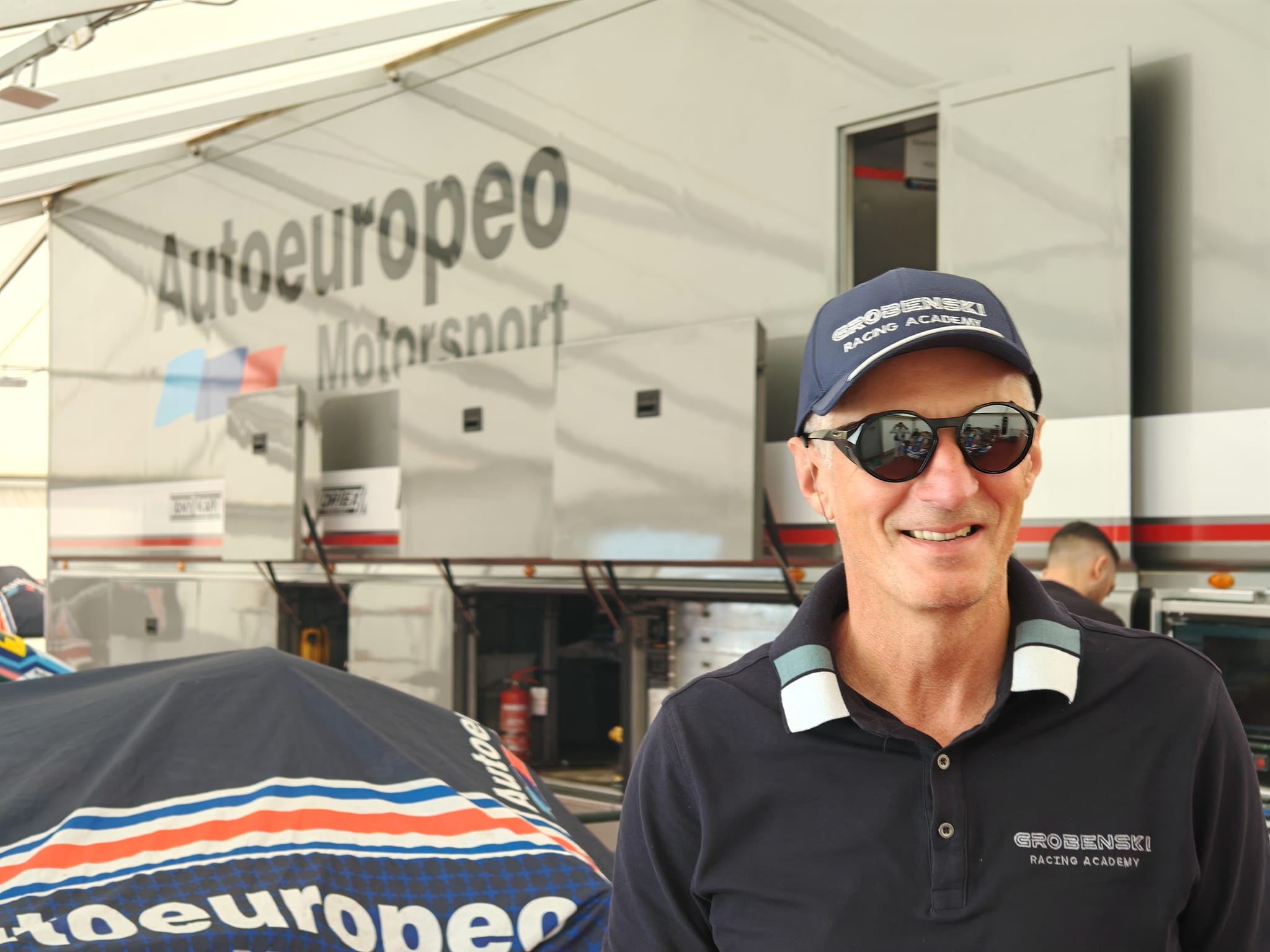
When you arrive at a race, the first things that catch your eye are big trucks, huge tents, branded jackets, and an endless stream of photos and stories on social media.
It all looks impressive, but there’s one problem: you are not paying for an Instagram picture. You are paying for the development and progress of your child.
That’s why you have the full right to check everything before you commit to any team. Below are the checks I wish every parent would do before signing a single contract.
1. Don’t look only at marketing – look at results over time
Don’t just ask: “Did they win the last race?”
Look at:
- how their drivers perform over the entire season
- whether they have several drivers consistently at the front
- whether they are fast only on one local track, or also when they go abroad (Italy, UK, stronger series)
A random P1 doesn’t mean the team knows how to develop drivers. Consistency of results is the real story.
2. Ask who they really developed
The most important question is not: “Do you have a champion?”
The real question is: “Which driver did you get as a beginner or a weaker driver, and where were they after one to two years of working with you?”
It’s easy to “take over” a talent once they’re already fast. The real work is taking a child who was average and slowly bringing them to the front.
3. Go to a race as an observer
Before you sign anything, go to a race weekend where the team is already running and stand to the side. Just watch.
Pay attention to:
- how many drivers one coach is looking after
- whether they talk to the kids after every stint, or just send them back out
- what happens when the result is bad – panic or calm analysis?
That’s where you see the difference between a show and real work.
4. Talk to other parents – quietly and honestly
Find a parent who has been with that team for a season or two and ask:
- “Are you happy with the team?”
- “What do you like the most, and what don’t you like?”
- “If you had to choose again today, would you still go with them?”
Their experience is worth more than any flyer or sales pitch.
5. Ask about mechanics and coaches – who will really work with your child?
This is critical, and almost no one asks clearly enough.
Questions to ask:
- Do you have permanent mechanics and coaches, or do people change every weekend?
- Will the same person (or same pair of people) work with my child throughout the entire season, or will they get someone new every time?
A child bonds with a person, not with a logo.
Continuity is extremely important. The same mechanic and coach throughout the season means they understand the driver better, recognise habits and problems more quickly, and react faster when something isn’t right.
You also have the right for your child not to accept a certain mechanic or coach. If you see there’s no chemistry, that your child is afraid, withdrawn or shutting down, you have every right to say: “This simply isn’t working. We want a different person.”
That’s not being difficult. That’s protecting your child and creating the basic conditions for them to learn and progress.
6. Technical questions every parent must ask
You don’t have to be an engineer to ask serious questions. These are enough:
- “Who exactly will be the coach/engineer and mechanic for my child? What are their names?”
- “Will those be the same people throughout the whole season, or do they change from weekend to weekend?”
- “How do you handle engines – do you rotate engines between drivers, or does someone always have the ‘best’ engine?”
- “Does my child have access to the telemetry of the fastest driver in the team? Can they compare their lap with his or her lap?”
- “Do we have the option, at least occasionally, to use the engine or top package of the fastest driver (for an extra fee or by agreement), or is that reserved for just one driver?”
- “Can you show me what your typical debrief with telemetry looks like after a stint?”
Not everyone has the budget for big factory teams. They often have advantages: full-time staff, stronger engine programs, large data sets.
But even there, you have the right to ask the same questions: who will work with my child, what is their status in the team, and will my child have access to data and engines like the others, or are they just filling the grid?
A big truck doesn’t automatically mean your child is a priority.
7. Remember: you are paying for a process, not just a result
When you spend thousands of euros on a season, the most important question is not: “Did we have one good weekend?”, but: “Did my child learn anything? Are they driving technically better? Do they understand more than they did six months ago?”
If the answer is no, then the tent can be the biggest in the paddock – it still doesn’t help you.
At the end of the day, you have the right to ask, check, compare and say no. That’s not uncomfortable – that’s your duty as a parent who is paying for their driver’s development.
In the next post, I’ll write about how I approach working with drivers myself – what I prioritise as a coach, and why it’s more important to me to build a driver than to buy one more “rocket” engine.