
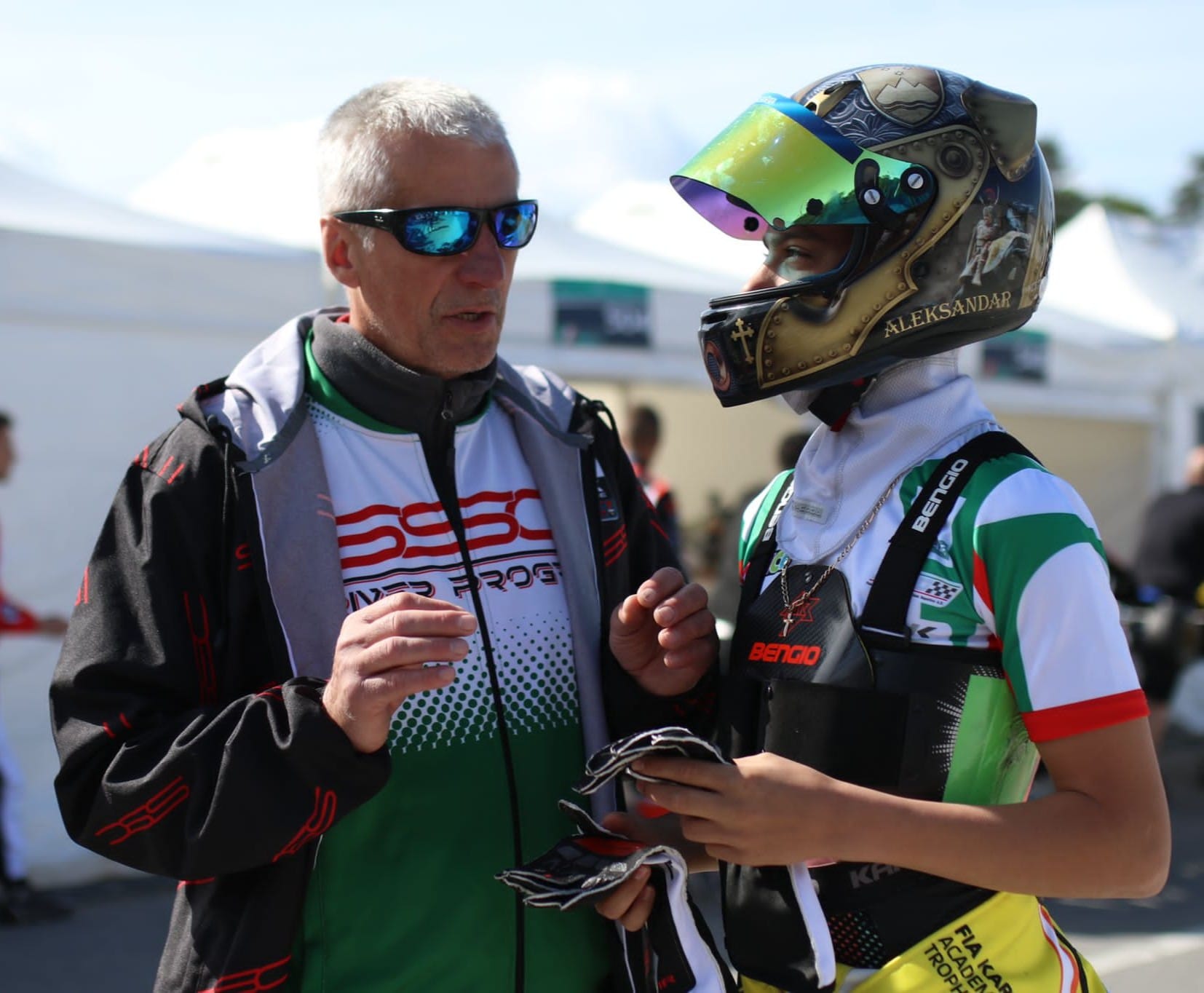
A planned day with a clear theme that builds rhythm, calm intensity, and driver focus—without chasing a magic setup or a hero lap.
Real karting training is structured practice with purpose — not just laps. Learn how to plan a training day with clear themes, debriefs, and measurable progress.
- Core idea: a daily focus that ties together each outing.
- Outcome: the next run starts with a clearer picture in your head.
Driver focus
Arrive with a concrete feel-goal: what you want to sense in your body and through the wheel.
- Where the kart breathes, where it settles, where it slips.
- Don’t chase a magic setup—work the hands–pedal–eyes relationship.
- Build the entry → apex → exit rhythm.
Between runs
Keep the atmosphere calm but intense. Debriefs are brief and specific.
- “How did it sit on braking?”
- “What was the flow mid-corner?”
- Video & data are tools now, not trophies: one clip, one trace, one detail that explains the feel.
How a good day unfolds
Start composed so body and kart “meet” without force; let precision grow, not aggression.
- Aim for a consistent rhythm, not one hero lap.
- Spot and quiet small mistakes while they’re small.
- Wait for the click: vision goes further, hands get quieter, speed arrives as a by-product of order.
Team approach
Be focused and economical. Do a little—and make it meaningful.
- Avoid five changes at once.
- Be honest about technique vs. driving when diagnosing issues.
The mental game
Most of the work is upstairs: protect attention, tolerate repetition, stay curious about your own errors.
- Manage energy.
- Embrace monotony as reps.
- Stay inquisitive instead of reactive.
End-of-day
Don’t hunt for excuses in conditions; look for patterns in what repeated.
- Write a few lines that matter:
- What you learned about yourself.
- What you learned about the track.
- How the kart rewards/punishes certain habits.
- Not a long to-do list—just a short mental picture for next time the helmet goes on.
What fake training looks like
Nervousness and noise masquerading as work.
- Laps without meaning.
- Stopwatch judging every thought.
- Constant urge to twist/loosen/tighten something.
- Fatigue rises; clarity doesn’t → fuel in the tank of experience, empty wallet of skills.
What real training is
Not a spectacle, not a parts haul, not a hunt for one fastest lap. It’s quiet, patient work on the driver.
- Gaze, timing, breathing, relationship with the kart.
- Once that’s habit, setup changes make sense, times drop “on their own,” and the career gains stability that planless laps never bring.